

In Koh Samui, the next phase of property growth is being shaped less by pricing trends and more by infrastructure. The island is entering an entirely new stage of development, with the Koh Samui airport expansion, upgraded roads, and expanded healthcare facilities all converging in a way that looks set to reshape how people live, travel, and invest across the island. This article breaks down where property values are most likely to rise, explains the reasoning behind those projections, and examines the real effect these changes can have on investment decisions in this market.
Infrastructure improvements are consistently among the strongest drivers of property value across markets. When new roads, airports, or hospitals are built or expanded, they immediately boost a location's attractiveness for short-term visitors and long-term residents alike. Improved access draws in new demand, and that demand tends to fuel price growth, sometimes more quickly and powerfully than most buyers anticipate.
Phuket and Bali offer a useful point of comparison. Both islands saw significant airport expansions that brought in larger numbers of direct international flights. The result was a surge in travelers searching for villas, resort condos, and retirement homes. That demand pushed not only rental rates higher, but also land and resale values, particularly in areas that had become newly accessible due to improved transport links and supporting services.
Koh Samui now stands at a similar crossroads. The island is transitioning from a lifestyle destination into a more structured investment market. Understanding where to position and when to act will be the deciding factor for investors who want to capture that shift.
.jpg)
The Koh Samui airport (USM) has long been a factor shaping the island's development potential. Its single short runway and limited international capacity meant direct flights from long-haul markets such as Europe, Australia, and the Middle East were fewer than what was available in Phuket. Many international travelers had to connect through Bangkok or Singapore, adding travel hours and, in many cases, deterring higher-spending tourists and prospective buyers who prefer more direct access.
The planned airport expansion addresses these limitations directly. Bangkok Airways has committed approximately 1.5 billion THB to the project, with completion targeted for 2027 to 2028. The scope of works is substantial: daily flight capacity rising from 50 to 73 movements, an additional 2,000 passengers per day, boarding gates expanding from 7 to 11, runway upgrades to accommodate larger aircraft including the Airbus A320, new check-in counters, self-service kiosks, and a doubling of retail space. More direct routes are expected from key markets including Hong Kong, Sydney, and Kuala Lumpur, with expanded connectivity from China and seasonal charter services from Europe also on the horizon. The practical outcome is not just more tourists, but a broader mix of arrivals, including affluent visitors and second-home buyers who prioritize convenience and direct connectivity.
For property investors, the 2027 to 2028 completion window creates a clear strategic context. Acting ahead of these upgrades means getting in before they are fully priced into the market. History across multiple island markets shows that as soon as new routes launch, land prices and villa resale values in areas near the airport, or in previously quiet locations now within easy reach, tend to move faster than most expect. The window between announced and delivered infrastructure is often where the most meaningful price movement takes place.
Koh Samui's internal road network has historically been the overlooked side of the island's growth story. A route that appears short on the map (from Maenam to Laem Sor, for instance) could stretch to a considerably longer drive than expected. However, with major works now underway including new stretches of the ring road, widening of key routes, and connecting roads pushing south and west, travel times across the island are shrinking noticeably.
The practical effect is a significant change in how areas like Bang Por, Lipa Noi, and Laem Sor are perceived. What were once considered remote or inconveniently located parts of the island are now within a 20 to 30 minute drive from the airport rather than an hour or more. That shift opens up viable opportunities for new villa developments, holiday rentals, and private residences in zones that were previously harder to sell or let due to their relative isolation.
For investors, the early indicators of this change show up as rising inquiry volumes and growing developer interest in land and project development across these newly accessible pockets. Established areas may see prices stabilize as attention moves outward, while emerging locations tend to be where the more notable price movements take place.

For a significant period, hospital options and lifestyle amenities were still developing, which meant some retirees, expat families, and long-term residents preferred to wait for facilities to mature further. That is changing at a meaningful pace. Recent expansions by Bangkok Hospital Samui and Bandon International Hospital are adding modern facilities, English-speaking specialists, and advanced treatment options that go well beyond emergency care. Services now span chronic disease management, specialist therapies, and the kind of comprehensive healthcare that international residents and retirees genuinely need.
This improvement in healthcare infrastructure is directly accelerating a shift from short-term tourism to longer-term living. Retirees from Europe, Australia, and across Asia are increasingly confident making Koh Samui a primary residence or seasonal base. Families are following a similar path, encouraged by better healthcare, a growing range of international schools, and improved year-round amenities including shopping centers and flexible workspaces.
The effect on property demand is a broader and more varied rental profile. Rather than purely short-stay tourist bookings, the market is seeing a notable increase in longer-term villa and townhouse leases. This allows investors to balance steady rental income with the potential for meaningful capital appreciation, particularly in areas situated close to these expanding lifestyle and healthcare facilities.
The north coast continues to attract sustained interest from both investors and renters, and for good reasons that have held up over time. Bangrak, Bophut, and Maenam have a strong track record of rental demand, driven by a consistent mix of short-stay bookings and longer guest visits. Airport proximity combined with access to Fisherman's Village's dining, shopping, and nightlife options makes these neighborhoods reliable choices for investors seeking both liquidity and long-term growth potential.
With improved road links and the airport expansion feeding directly into this corridor, these areas are expected to become more convenient still. Developers are already progressing luxury villa projects here, and market fundamentals continue to support this region as a solid base for anyone entering the Samui market.

West and S For investors focused on stronger upside potential, the west and south coasts are coming into focus in a way they have not before. Lipa Noi, Taling Ngam, and Laem Sor offer some of the island's finest stretches of white sand, sweeping sea views, and sunset vistas, yet they have remained undervalued compared to busier hubs like Bophut or Chaweng, largely because travel times historically made them feel out of reach.
The road improvements are rapidly changing that perception. These locations now offer a compelling combination: the privacy, calm pace, and natural beauty that buyers and renters actively seek, at price points that have not yet caught up with the development story. Over the past year, international developers have begun boutique resort and villa projects in this corridor, positioning ahead of the demand expected to follow the full rollout of Samui's connectivity and access upgrades. For investors with a five-year outlook, this stretch of coastline deserves close attention. It represents some of the island's most compelling growth potential.
Samui's hillside locations have long hosted high-end villas and private retreats, but narrower road access historically meant they appealed to a more selective pool of buyers comfortable with steeper drives. Ongoing improvements to hillside roads are making these elevated, sea-view addresses far more practical, particularly above Chaweng Noi, in the Bophut Hills, and across the newer developments rising above Bang Por and Maenam.
Improved access pays off in both rental yield and resale value, opening these properties to a wider audience of buyers who want the benefits of privacy and panoramic views without compromising on convenience. Demand from serious buyers is increasingly focusing on villas that feel genuinely connected to the airport and lifestyle essentials, without sacrificing the elevated setting that makes these locations distinct.
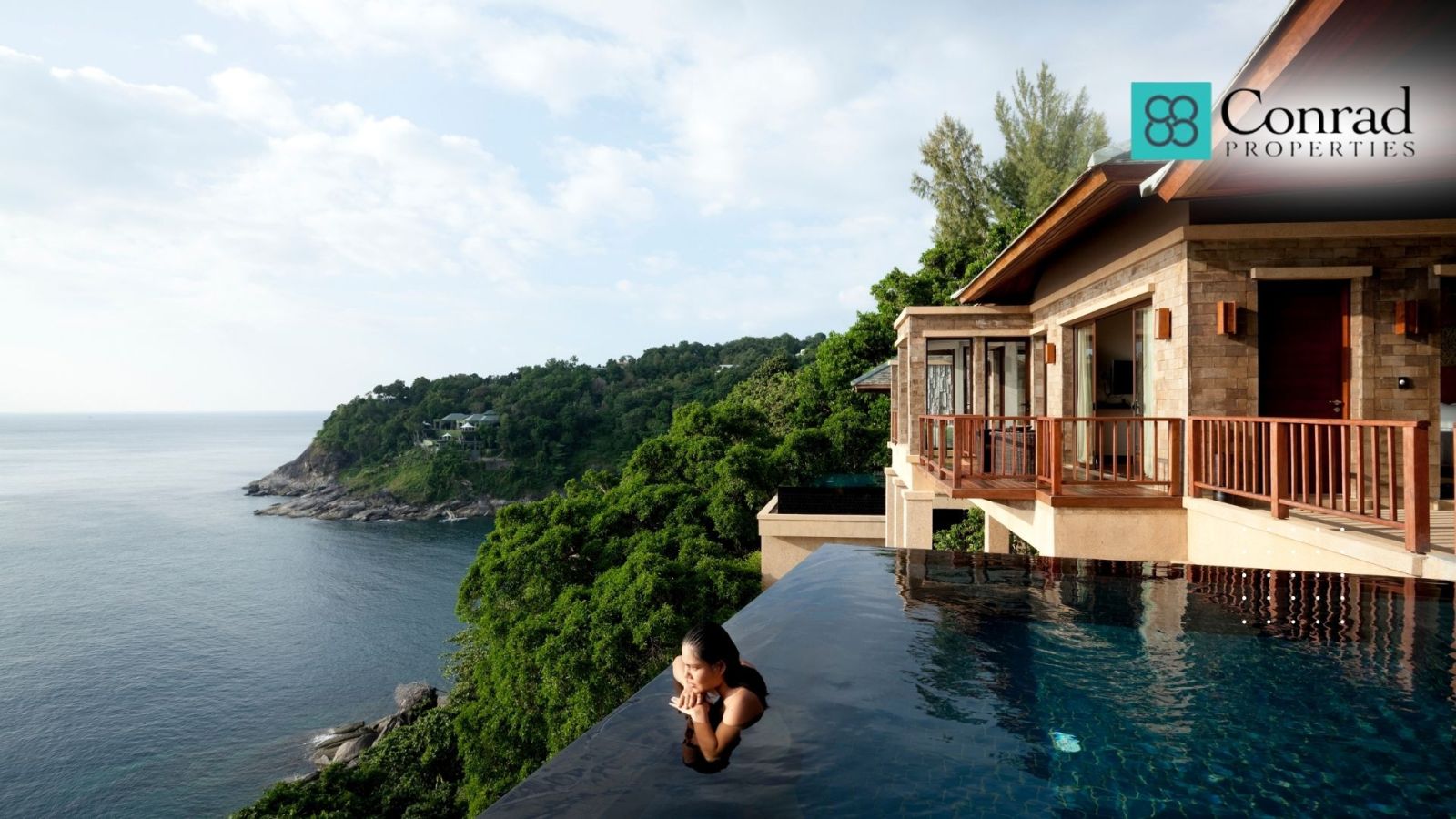
Property prices across Koh Samui are likely to benefit over time as each infrastructure milestone becomes operational. The sharpest acceleration, however, is likely to come in the medium term, in the period following the airport project completion and as upgraded hospitals and road networks reach full capacity. That is typically when investor confidence peaks and capital flows into the market with greater urgency, drawing in both local and international buyers who had been monitoring developments from the sidelines.
Over the longer term, these investment cycles tend to reshape the entire property landscape. Areas that were once considered peripheral become mainstream. High-demand zones retain their appeal while benefiting from a rising tide of general growth. And undervalued pockets get absorbed into the wider growth story in ways that reward those who identified them early. Waiting until all the infrastructure work is complete often means the most significant price movements have already taken place.
No investment case, however strong, is without its risks. In Koh Samui, the most relevant ones include potential delays to timelines. Airport or road projects running behind schedule is not unusual in any market, and there are also possible shifts in local regulation or broader policy changes affecting foreign ownership and property development.
Overdevelopment in specific pockets is another risk worth monitoring carefully. If a concentration of similar villa or condo products enters the market at the same time in a given area, rental demand and resale values in that micro-location can come under pressure. This is precisely why the choice of specific location matters as much as the broader island narrative.
The fundamentals to look for remain consistent: clean land title, access that does not place the property directly on a congested main road, and positioning near emerging amenities rather than already saturated areas. Visiting the ground, understanding the surrounding development pipeline, and not relying solely on online listings are all part of making a well-informed decision on Koh Samui.
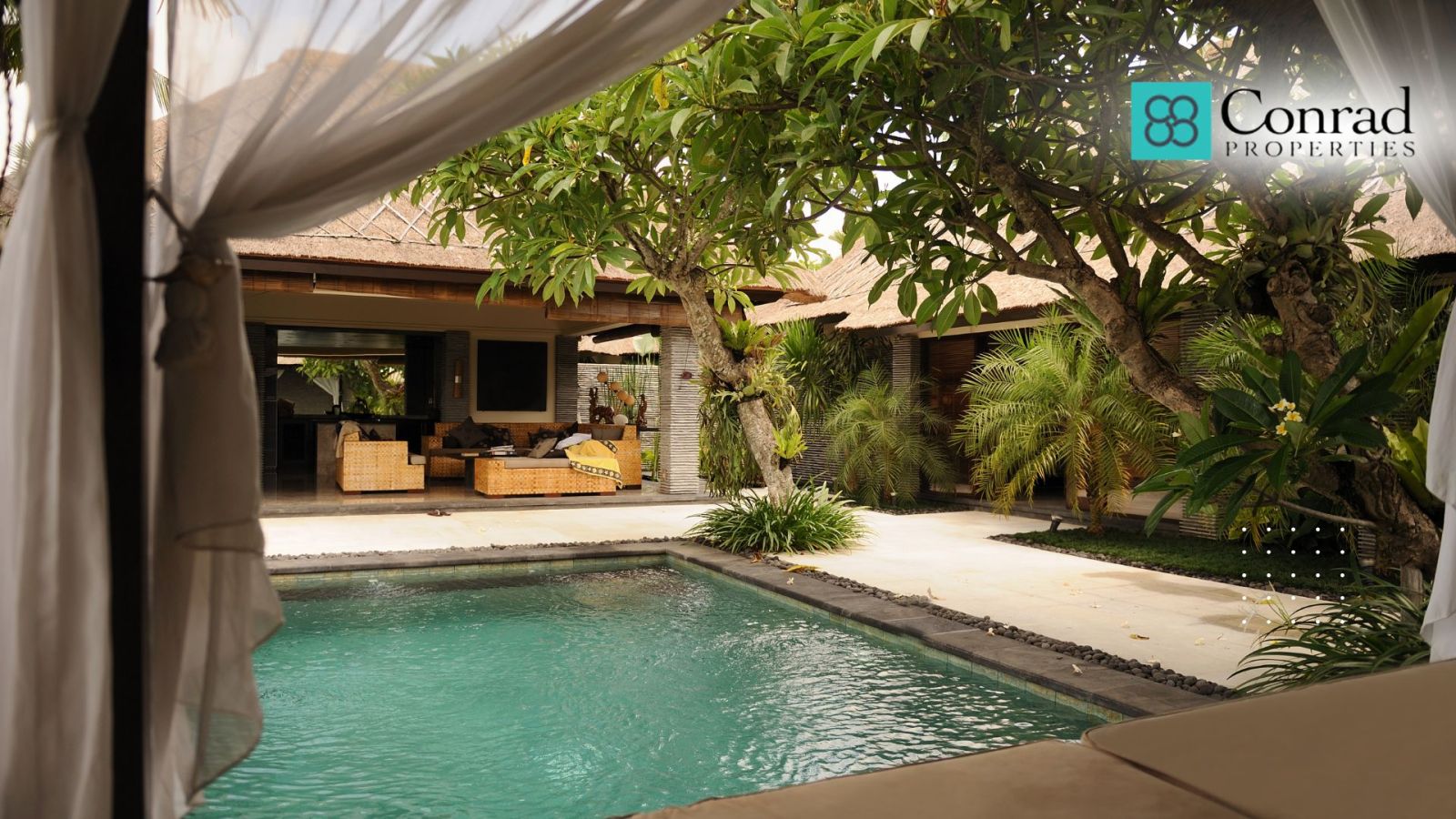
The most practical approach in the current market centers on identifying land and properties in emerging areas, specifically where new or improved roads have reduced travel times to the rest of the island, but where property prices have not yet adjusted to reflect that change. Access quality, land title clarity, and proximity to new or expanding hospitals, schools, and retail centers are the key variables that tend to drive both capital growth and rental performance over a five-to-ten year horizon.
For investors focused on maximizing returns, the most effective strategy balances immediate rental income against long-term appreciation potential as improved access and expanded connectivity attract more residents, long-stay visitors, and buyers to the island. Zones like Lipa Noi, Laem Sor, and select parts of Maenam currently represent well-grounded opportunities for anyone taking a three-to-five year view. The underlying story is supported by a development pipeline that is already underway, and the pricing in these areas has not yet fully reflected what is coming.
Diversifying across property types, such as combining villa rentals with longer-term lease-focused townhouses, can help manage income volatility while maintaining exposure to capital appreciation. The key is selectivity: choosing the right micro-location within the broader island story, rather than assuming all areas will benefit equally.
Koh Samui is moving into a new phase of development, and the infrastructure investment currently underway is its primary catalyst. The Koh Samui airport expansion, combined with a comprehensive program of road improvements and expanding healthcare and lifestyle facilities, is reshaping the island's appeal to a broader and more diverse audience of residents, renters, and investors.
Markets like this, where development is confirmed but not yet fully delivered and where pricing in certain areas still reflects yesterday's accessibility rather than tomorrow's connectivity, tend to offer a limited window for well-positioned entry. Fringe areas become mainstream. Established zones see renewed demand. Undervalued pockets get repriced.
Early positioning in the right locations, backed by a clear understanding of the local market, can make a meaningful difference in long-term returns. Conrad Properties works directly with buyers to identify high-potential areas based on current and upcoming development across the island.
You can’t go with Thailand as far as making it your family holiday vacation destination of choice. It’s a country full of wonder and de...
Investing in Koh Samui villas is like investing in a future lifestyle or mystical tropical wonderland. Koh Samui is right up there with Bangkok and...
Are you considering to invest in Thailand? This article highlights 5 reasons why buying real estate in Koh Samui is an opportunity that will benefi...
The Ultra-Luxury market in Koh Samui operates on a simple principle: discretion is paramount. For properties valued at $...
Whether you're looking for a luxurious holiday home or a high-yield investment, Koh Samui has a range of exceptional real estate opportunities...
Discover the 7 costly mistakes to avoid when buying property in Koh Samui in 2025. Get expert tips to make your dream home or investment a reality&...
Discover what properties really cost in 2025 — from hillside hideaways to beachfront luxury. Whether you're investing or relocating, this...





Leave a reply